
AVIALINKERAircraft Market Intelligence
Professional, maintenance-adjusted CMV appraisal for your Airbus A320neo in under 60 seconds. LEAP-1A and GTF engine-aware calibration. The most demanded narrowbody type in current secondary markets. Q2 2026 calibration.
FREE indicative CMV — no registration required • Full reports from EUR 57
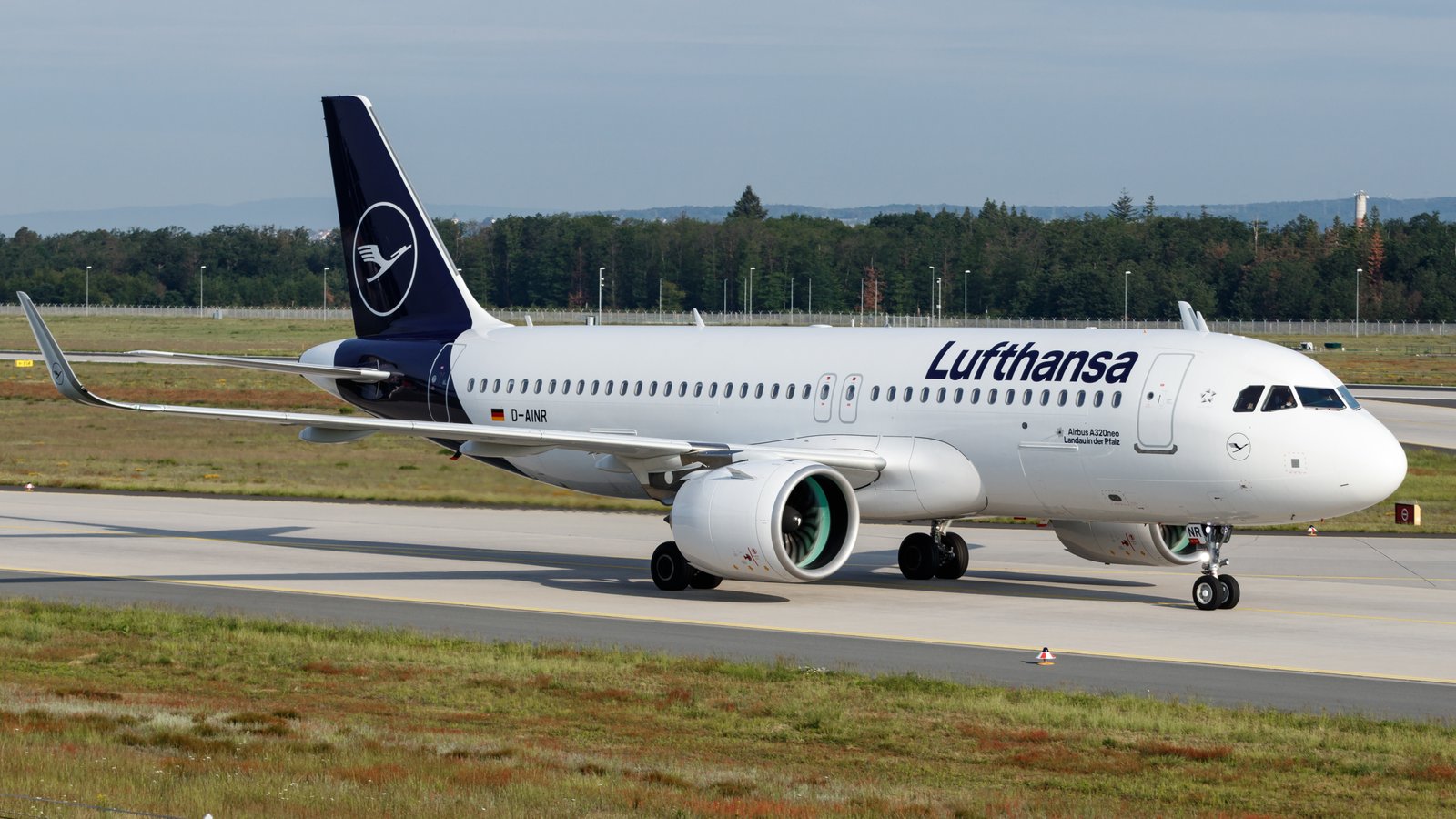 Photo: BriYYZ / Wikimedia Commons CC BY-SA 2.0
The Airbus A320neo is the dominant narrowbody type in the global commercial aviation market and commands the highest demand in both primary and secondary segments. With over 4,000 aircraft delivered across A319neo/A320neo/A321neo variants and a constrained supply chain limiting new production, secondary market values are structurally elevated relative to historical depreciation curves. The GTF-powered variant (PW1100G) has experienced well-documented engine durability issues that have created a discrete valuation spread versus LEAP-1A units.
A320neo secondary market values are currently at historically elevated levels due to supply chain constraints and delivery delays on new aircraft. Sellers command 10-22% above CMV midpoint for LEAP-1A units. GTF-powered units carry a spread versus LEAP reflecting operator risk premium on engine availability and potential shop visit exposure. The ANALYSIS report quantifies the GTF/LEAP differential for your specific engine serial numbers.
Engine variant is the primary split in A320neo valuation, with LEAP-1A commanding a consistent premium over PW1100G in the current market. GTF powder metal disk exposure is a discrete risk variable requiring serial-number level assessment.
Engine variant is the dominant value variable in the A320neo market. CFM LEAP-1A units command a USD 2-6M premium over GTF equivalents in the current market, reflecting operator preference, MRO network depth and GTF reliability history. This differential narrows for very young units with limited shop visit history.
PW1100G units affected by the powder metal disk issue may face mandatory inspection or removal requirements. Units with confirmed ESN exposure to this issue carry a material valuation discount and require serial-number level assessment before any CMV conclusion.
Neo deliveries span 2016-present. Aircraft delivered in the 2016-2019 window with earliest technology-standard engines may carry additional MRO risk relative to current production standard. Sharklet fittings and FOHE configuration affect operating economics.
A320neo airframe check intervals are extended versus CEO. However, cycle accumulation rates remain important — high-frequency LCC operators accumulate cycles faster, affecting residual value trajectory.
Extended A320neo/A321neo delivery delays from Airbus (current OTD significantly below plan) have elevated secondary values structurally. This premium is not permanent — it is a production cycle effect. CMV reflects current market, not normalised long-run levels.
Full delivery documentation, tech spec compliance and records integrity are mandatory. Any deviation from standard delivery spec requires disclosure and typically results in a price adjustment.
All reports generated in under 60 seconds and delivered by email as a PDF.